
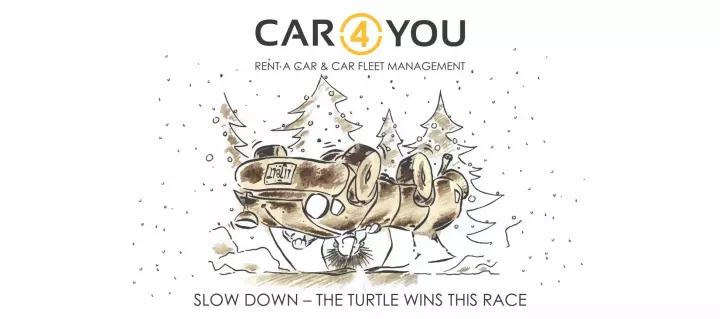
The biggest difference between your own and a rental car is often habit rather than engine power. Controls, visibility, braking and dimensions are unfamiliar, so treat the first few kilometres as an introduction rather than a test.
The first ten minutes set the rhythm
Adjust the seat, steering wheel and mirrors before moving. Find the lights, wipers, demister and parking assistance. Ask for an explanation when automatic transmission is unfamiliar and practise basic controls in a calm place.
Use the mirrors to understand where the body ends and feel how the car responds to gentle braking. A larger vehicle needs a different turning line and more attention in a narrow garage. Do not learn controls while following complicated navigation.
Traffic behind you does not set your speed
A speed limit is an upper boundary, not a target for every condition. Rain, fog, darkness, works and an unfamiliar road may require less speed and more distance. Do not accept a risky overtake because another driver has moved close behind.
If you miss a turn, continue to a safe place and let navigation calculate again. Sudden braking or reversing on a busy road is not worth a few minutes. A passenger can handle navigation while the driver watches the road.
A break belongs in the plan
Fatigue is not solved by louder music or an open window. Stop before concentration declines, change drivers only when the other person is declared and accepted, and avoid putting too many destinations into one day.
Leave enough time before the agreed return. Pressure rises when a flight, refuelling and handover are left to the last minutes. A realistic buffer is a simple safety decision.
Protect people first when something happens
For a warning, breakdown or incident, stop when safe, protect the location as circumstances require and call the number in the rental documents. Do not continue when driving may increase damage or risk.
Photograph the place and vehicle when safe, record relevant details and follow the agreed process. Do not arrange repairs or costs independently without contact unless immediate safety requires action.
Calm driving often arrives sooner
Aggressive lane changes and overtaking rarely save as much time as expected, while they increase stress for everyone. A steady rhythm makes navigation, road signs and timely breaks easier.
When the schedule is no longer realistic, send a message after parking safely. An honest delay notice is better than attempting to recover several minutes through risky behaviour.
Frequently asked questions
What if I have never driven an automatic?
Say so before departure and ask for a short explanation. Do not learn in dense traffic.
Can drivers change during the journey?
Only a declared and accepted additional driver should use the car.
What should I do after missing a turn?
Continue to a safe place and let navigation recalculate; do not make a sudden manoeuvre.
Sources and current information
Road and legal information can change. Check the primary source shortly before travel.